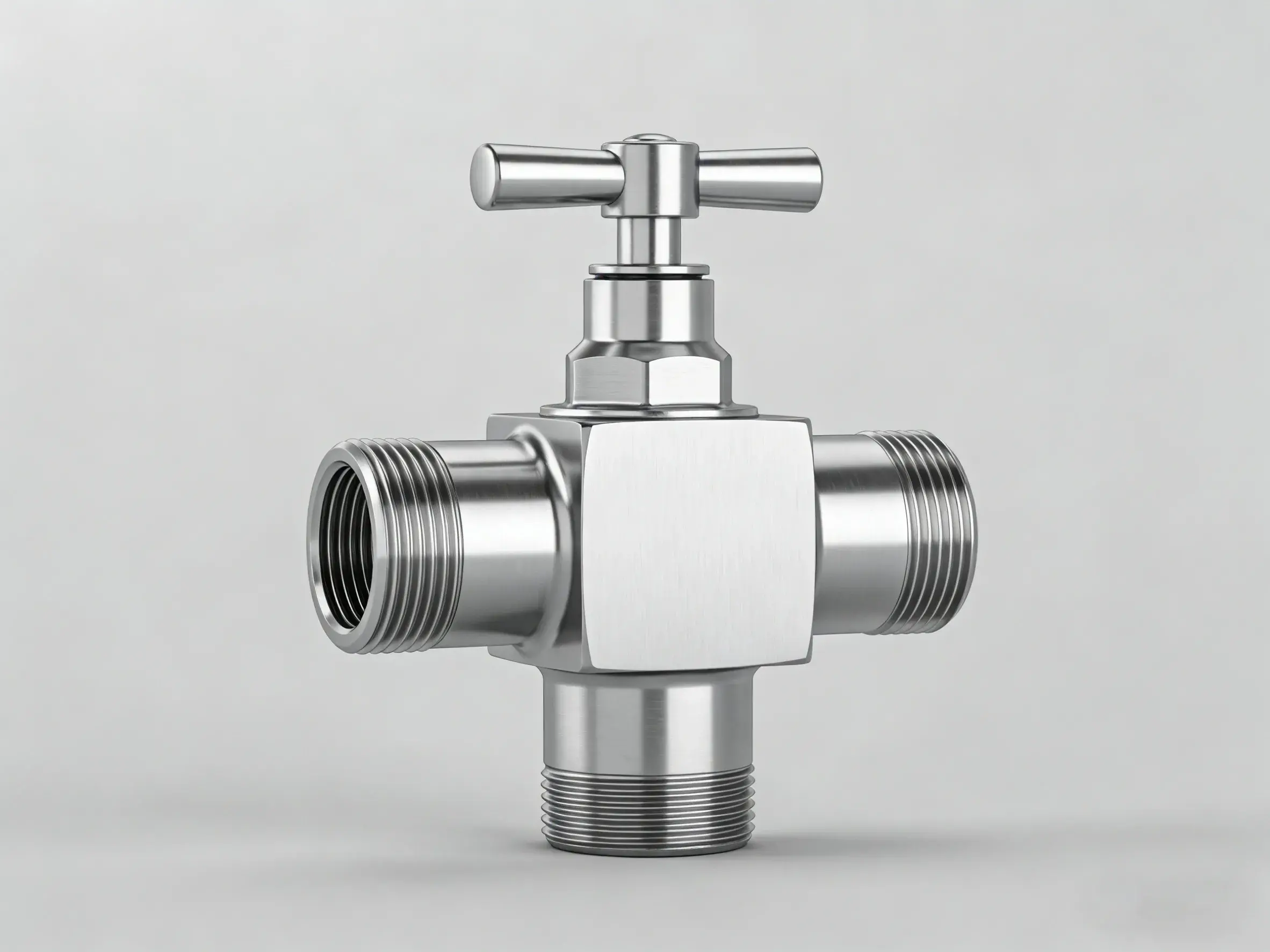
logistics friendly process plant butterfly flow valves supply?
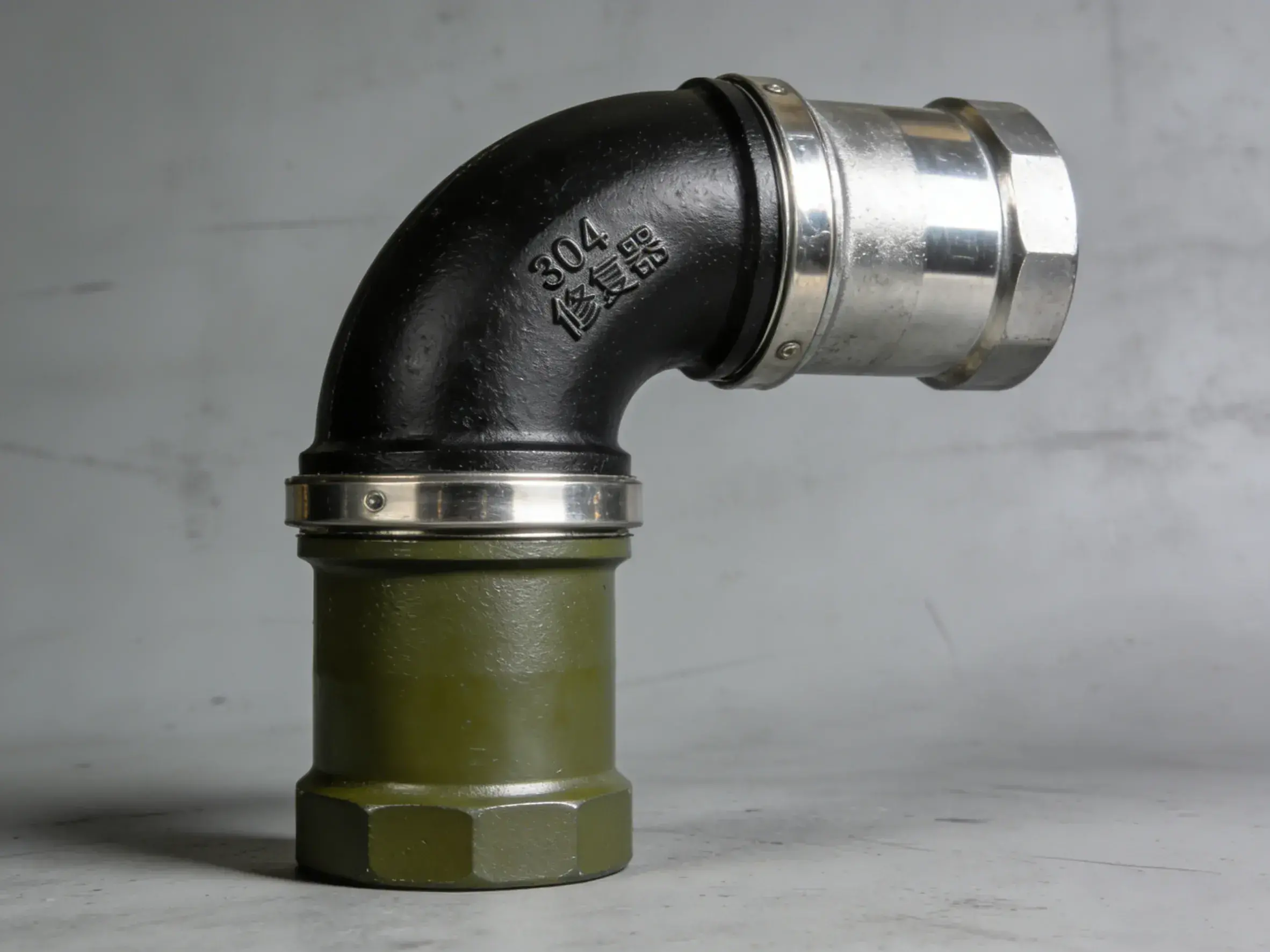
Fundamental industrial valve choice enhances operational efficiency and comprehensive system output. For superior system functioning, it is necessary to scrupulously select valves that fit application demands.
A thorough valve selection directory ought to regard a variety of criteria such as liquid kind, pressure force, heat levels, flow capacity, and control demands. As well, ascertaining the appropriate valve control method such as pneumatic, hydraulic, or electric is significant.
In-Depth Study of Butterfly Valve Efficiency
Defining precise performance benchmarks for butterfly valves is fundamental for professionals pursuing steady and reliable system activity. Study focuses on fundamental components affecting butterfly valve efficacy, embracing constituent traits, application surroundings, and measuring processes. Via detailed evaluation of those factors, the text seeks to offer an extensive comprehension of influences on butterfly valve effectiveness.
- Design characteristics prominently impact entire productivity
- Fabrication materials of valve housing markedly govern robustness during assorted functioning circumstances
- Loss of pressure remains a fundamental aspect in scrutinizing butterfly valve efficacy, especially with increased flow velocity
Usage of Ball Valves in Elevated Pressure Situations
Ball valves demonstrate as steady alternatives for operating extreme pressure uses. Their basic scheme involves a spherical piece with an inlet that rotates to manage fluid transit. This assembly successfully faces boosted pressure occurrences by reason of its durable closure.
Within disciplines such as hydrocarbon processing, ball valves occupy an important role in regulating amplified pressure channels. Their toughness determines them appropriate for surviving the burden of amplified pressure media.
- Besides, ball valves deliver swift movement, granting effective fluid regulation.
- Offered in diverse compositions and dimensions, ball valves are tailored to satisfy unique demands of varying elevated pressure uses.
Recognizing Multiple Valve Forms and Their Operations
In the realm of fluid dynamics, valves play a crucial role in controlling the flow of liquids or gases. Choosing a suitable valve classification is indispensable for guaranteed efficiency. Valves organize depending on their operability, blueprint, and implementational field. General valve kinds contain gate, globe, check, ball, and butterfly types. Each group demonstrates characteristic factors, enabling them for tailored deployments. As an example, gate valves manage flow fully, whereas globe valves offer precise adjustment of volume. Check valves stop undesirable return flow, securing single-direction transit. Ball valves ensure prompt and steady open/close action, while butterfly valves function efficiently in high flow volumes.
Maximizing Flow Adjustment with Industrial Valves
Regulating fluid movement is an essential component of many manufacturing procedures. Industrial valves play a pivotal role in regulating the flow of fluids and gases within systems. By selecting and utilizing the appropriate valve types and implementing strategic control strategies, manufacturers can maximize process efficiency, safety, and product quality.
An essential subject in developing flow operation includes understanding numerous valve roles. Multiple valve outlines align with unique flow profiles, compression spans, and operational milieus. In particular, globe valves are often engaged for throttling flux, and ball valves shine in toggling operation.
To maintain exact flow governance, one must evaluate criteria including valve scale, operating mechanisms, and regulation setups. Incorporating progressive control setups such as PLCs delivers automated fluid monitoring and regulation, enhancing operational performance.
Routine care of manufacturing valves is necessary for reducing faults and ensuring effective flow governance. Spotting likely difficulties timely can diminish pricey outages and confirm flawless workflow of pivotal activities.
Upkeep Guidelines for Manufacturing Valves
Ongoing repair of manufacturing valve units is indispensable for enabling continuous and steady operation in various plants. A thorough servicing schedule has to be developed, containing recurrent evaluations to identify uncertainties before major disruptions take place. Oiling of valve parts in line with producer guidelines notably prolongs operational lifespan and decreases wear. Additionally, maintaining valve cleanliness by clearing any residues prevents operational hindrances.
A comprehensive maintenance program should also include documentation of all activities performed on the valves, including dates, personnel involved, and parts replaced. Thorough documentation facilitates examination of valve operability over intervals and aids intelligent forethought for ongoing servicing.
Automated Processes for Valve Handling
The introduction of automation has altered how valves perform within multiple fields. Utilizing automated controls allows operators to optimize valve management, reducing human involvement and boosting process efficacy. Programmed valve control contributes several advantages like enhanced precision, decreased breakdowns, and improved safety measures
- Analytics devices serve key functions within automated valve networks, reporting immediate details regarding valve alignment. Computing systems analyze such info to proactively fine-tune valve functions
- SCADA platforms are regularly utilized to coordinate automated valve functions, supporting complex management algorithms. Such modules track valve health, flag concerns, and administer corrective responses
Also, electronic valve regulation provides advanced process oversight. With accumulated valve metrics, managers acquire crucial knowledge to enhance system productivity and diminish expenses
Safety Measures During Industrial Valve Installation
While installing industrial valves at facilities, rigorous protection procedures are crucial. Ignoring such protective steps may trigger hazardous mishaps, conceivably bringing equipment failure and particularly employee injuries. A careful safety appraisal needs realization ahead of construction to detect potential perils and carry out adequate mitigation steps.
Confirm all employees associated with installation activities possess suitable training and certification for valve handling and safety rule conformity. Create a framework for frequent assessments aimed at discovering degradation or faults in valve assemblies. Maintain accurate records of all installations, inspections, and maintenance activities for future reference
- Respect required commerce benchmarks and policies regulating valve fitting and handling
- Employ suitable instruments and machinery created for facility valve fitting
- Engage collaboratively with all associates participating in the assignment to maintain protected and efficient implementation
Valves: Principal Units in Manufacturing Environments
Amidst the complicated landscape of manufacturing/process/industrial environments, valves function as indispensable units. Their duty includes governing fluid flow in advanced architectures, upholding consistent productivity and safety. Valves find employment across broad usages, including regulating heat and pressure plus moving materials
- Diverse valve varieties prevail, each crafted to fulfill distinct purposes. Typical instances are gate, ball, and globe valves
- Opting for valves accounts for factors like throughput rate, pressure magnitude, heat level, and substance category
- Reliable valve performance is paramount in process settings to prevent disruptions and ensure product quality
Regular inspection of valves is essential for optimizing their lifespan and preventing potential failures
Advanced Materials in Valve Design and Manufacturing
The enhancement of valve making and design predominantly emerges from sustained adoption of high-tech materials. These pioneering materials furnish wide-ranging improved aspects against customary substitutes, aiding fabricators in generating superior valves. Some key examples include high-performance ceramics used for their strength in demanding environments, and lightweight alloys that maximize performance while minimizing weight. The utilization of novel compounds enables valves showing advanced sealing abilities, lengthened duration, and augmented corrosion resistance
Controlling Valve Motion: A Comparative Review
{This investigation delves into the diverse valve actuation mechanisms prevalent in modern engineering applications|This exploration examines the varied valve drive technologies common in contemporary engineering uses|The study analyzes the mixed valve triggering systems typical in current engineering projects|This research evaluates the assorted valve motion methods widespread in advanced engineering scenarios|The survey inspects the multiple valve Global Valve Manufacturer control techniques existing in up-to-date engineering solutions|This review considers the assorted valve operating mechanisms encountered in present-day engineering environments|This analysis explores the various valve activation systems found in progressive engineering implementations|The inquiry scrutinizes the heterogeneous valve act