Is a ceramic frying pan easy to use for quick meals?
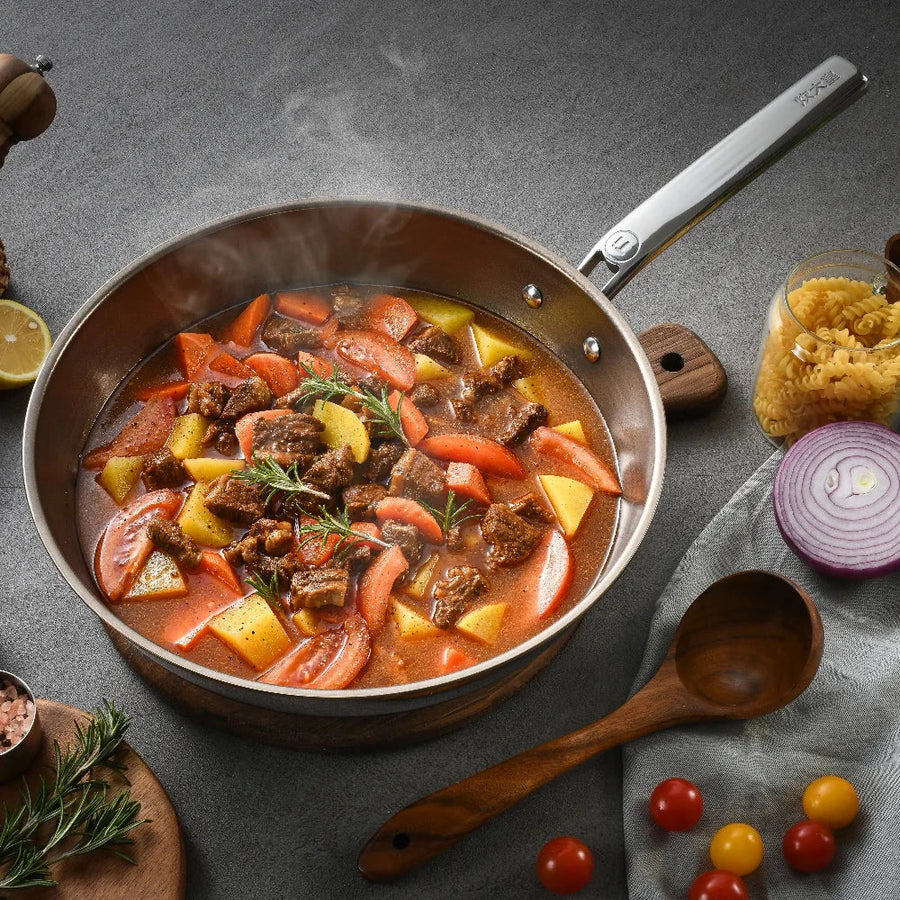
Navigating the world of nonstick cookware can be confusing, but understanding the basics is essential. Each variety of nonstick coating has its own strengths and limitations. Most often, shoppers encounter Teflon (PTFE), ceramic, and newer hybrid surfaces. When making a purchase, it's vital to consider durability, price, and ease of cleaning. Furthermore, always follow the manufacturer's instructions for proper use to maximize the life of your nonstick cookware.
Non-Stick Cookware Sets: Finding the Ideal Fit for Your Kitchen
With so many choices on offer, picking a replacement nonstick cookware collection may seem daunting. Start by considering your cooking habits. Do you mostly fry, sauté, or sear, or do you need an adaptable set for a range of cooking methods? The coating, often referred to as Teflon or a similar material, is not the only thing to assess; sturdy, ergonomic handles are crucial for safe use. As a final step, consult customer feedback on the durability and usability of various brands.
- Seek out a coating that can stand up to scratching.
- Consider the mass of each vessel; cookware with too little heft may feel precarious.
- Confirm its oven capabilities before making a purchase.
The Best Nonstick Pans and Skillets for Your Needs
Nonstick cookware offers a wonderful option for effortless cooking and washing when you're looking for frying pans. However, sorting through the many available choices can be challenging. Widely used nonstick surfaces include ceramic, Teflon (PTFE), and hard-anodized aluminum. Assess its depth, feel, and price range when making your selection. Your personal culinary preferences will determine which pan is right for you.
Prioritizing Well-Being When Choosing Cookware
The cookware you choose matters beyond its style and represents an investment in your well-being. Some traditional cookware materials, including certain types of aluminum, may leach harmful substances into food. Consequently, choosing pots and pans made from stainless steel, cast iron, ceramic, or glass can help minimize exposure and encourage a sound diet. Also weigh the cookware's lifespan and cleaning needs, while making health and safety your priority.
Nonstick Cookware: Safety Advice and Health Concerns
The use of nonstick kitchenware has ignited debate over its safety. PFOA was a key concern for many years, as the chemical had been used in production and was possibly associated with health problems. While leading brands have largely phased out PFOA, concerns persist about substitute chemicals and their lasting impact on people's health. Experts recommend gentle heat settings, non-metal cooking tools, and replacing any cookware with a scratched surface.
- Explore other options, including ceramic, stainless steel, and cast iron.
- Keep your nonstick cookware from reaching excessive temperatures.
- Look for a label confirming that the cookware is PFOA-free.
Nonstick vs. Traditional Pots and Pans: What to Consider
Choosing between easy-release and classic cookware is a key decision. Easy-release cookware is simple to use and clean, but it often has reduced longevity and potential health concerns related to certain materials. In comparison, classic cookware made from materials such as iron, aluminum, and stainless steel is often robust, but preparing the ideal cooking surface can take more work.
The Ideal Nonstick Coatings and Surfaces: A Detailed Review
A good choice of nonstick cookware starts with understanding its different coatings. Teflon (PTFE) was previously the standard, although concerns about its impact encouraged a move toward other options. Ceramic coatings offer a greener-sounding alternative, but their durability may be an issue. Its resilience against scratching makes titanium a good cookware investment for everyday use. A durable choice, hard-anodized aluminum offers both nonstick properties and strength. In the end, your best choice will depend on your personal preferences and price range.
Easy Healthy Meals to Make with Your Nonstick Cookware
Use your nonstick skillet to make these easy, healthy dishes and enjoy all it can do! You can make delicious and nutritious food without being a professional cook. This useful cookware makes preparing food more convenient. The following suggestions are perfect for busy weeknights as well as unhurried weekend breakfasts. non-stick cookware sets These recipes avoid complicated steps and are intended for amateur cooks and anyone hoping to eat a more balanced diet with less effort.
- Vegetable Scramble: A simple and hearty way to start the day.
- Sautéed Chicken with Roasted Yams: A complete meal with plenty of flavor.
- Seafood with Broccoli in a Single Pan: A beneficial dinner with convenient cleanup.
- A Basic Fruit Stew: A sweet treat that can be part of a healthy diet.
Helpful Tips to Preserve Your Nonstick Cookware
You can preserve your favorite nonstick cookware by following a few straightforward guidelines. Do not use metal utensils, as they may scratch the cookware's delicate surface. Hand-wash your pots and pans with mild soap and a soft sponge. Never place nonstick pans in the dishwasher, as its powerful wash cycle can damage the finish. Allow the cookware to cool down before cleaning it to prevent heat changes from damaging the metal. Avoid high temperatures, since overheating can break down the nonstick finish.
- Use non-metal tools such as silicone, nylon, or wood utensils.
- For cleaning, wash by hand using only gentle soap.
- Keep nonstick pans out of the dishwasher.
- Give the cookware time to cool before cleaning.
- Do not subject the cookware to very high temperatures.
