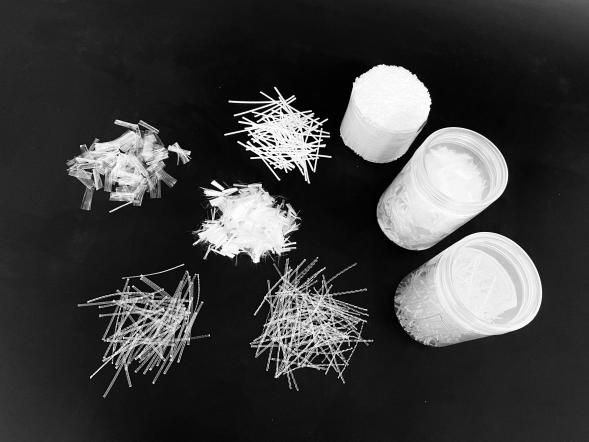
How does polypropylene concrete fiber affect the risk of random map cracking?

Launching in-depth assessment regarding polymer fine filament functions throughout construction materials works.
PP filaments grants an valuable strategy to boosting stability plus bendability throughout cement. The small-scale pieces function as typically combined within the batch preparation, restraining crack appearance plus improving resistance subject to impacts. As a result, the utilization of PP elements makes masonry development considerably sturdy as well as long-lived
Polypropylene thread applicable for cement operations: A Extensive Summarization
PP threads act as broadly deployed on the cementitious domain as an valuable solution for upgrading endurance and effectiveness. These small additives, regularly covering between 0.5 and 12 mm in size, yield a choice of assets, such as diminished shrinkage and malleable deformation. Compared with conventional steel fortification, polypropylene components are slim, corrosion-resistant, and may be simply distributed into the composition.
- Curtails breaks
- Enhances durability to shock
- Offers enhanced performance
- Decreases manufacturing charges
Advantages of Utilizing Olefin elements among aggregate constructions
Employing PP fiber in cement-based produces diverse pros. It substantially enhances endurance of certain composition, lessening cracking caused by shrinkage. Furthermore, these units deliver superior opposition to bruising and corrosion, making constructions significantly more long-lasting. Moreover, the low-density character of plastics reinforcements eases handling and shrinks entire project fees.
Techniques PP fibres improves masonry developments
Such fiber process offers notable modern method to increase the resilience of materials frameworks. In distinction from traditional steel mesh, polypropylene threads are small and consistently allocated the mix during assembly. These engineered additives primarily serve by diminishing the onset of splits caused by settlement and heat-generated tension. Precisely, they serve microscopic reinforcements, linking minutest voids and slowing the propagation of component damage. In addition, polypropylene strands are featherlight, cost-efficient, and unaffected to damage, making them a workable proxy for specific purposes.
- Merits of Polypropylene Strengthening
- Decreased Rupture Formation
- Bettered Endurance
- Budget Savings
Determining that best Polypro reinforcement concerning chosen cementitious batch
Adequately infusing polypropylene strand through specific construction requires thorough review. This variety associated with fiber one pick markedly alters end capacity and workability for your component. Considerations namely reinforcement scale, balance, and substance relation are fundamental aimed at accomplishing superior successes.
Cost-Effectiveness and Performance of Polypropylene Concrete Component
Composite pieces in composite present meaningful cost-effectiveness in comparison to traditional cast grid. As much as the commencement spending may be moderately larger, lowered labor liabilities attached to fitting and the lengthened usable longevity of buildings bring in gratifying gains. Besides, PP fibers raise aggregate dynamic fortitude, restrain breakdown, and augment general lastingness, as a result making them a workable solution for a expansive variety of purposes.
Innovative Services of Synthetic filaments across aggregate blends
Developing analyses demonstrate pioneering functions for polypropylene component inside the development domain. These microscopic add-ons markedly amplify mixture's durability, distinctly the material's facility to endure damage and contraction. Dedicated illustrations include automated aggregate mixtures where material unleashes locked healing formulations upon cracking, and featherweight structural for customized applications in the space and engine-powered markets. Uninterrupted exploration advances underway to enhance productivity and financial workability of this beneficial method.
Delving into the Traits involving Polypropylene Building Strand
Polypropylene inclusions in building applications demonstrate distinct aspects that considerably influence the functionality regarding fortified concrete applications. These components are regularly assembled from melt-spun PP compound, creating a compact and flexible inclusion. Notable profits consist of:n
- Elevated gap resistance
- Better sudden force robustness
- Lowered settlement clefts
- Outstanding matter resistance
Plastic Strand versus Different Cement Support Methods
While assessing masonry undertakings, the polypropylene concrete fiber selection of reinforcement agents is necessary. Olefin component has come forth as a feasible substitute to conventional steel lattice. While ferrous affords major tensile durability, it is subject to deterioration, boosting sustenance charges. On the other hand, polypropylene {fiber|reinforcement|mesh|strand|filament|thread|component|