How does Mars Solar ensure long‑term reliability in harsh environments?
Tapping such daylight dynamism with sun energy installations delivers a pure alternative for lowering our ecological consequence. The subsequent analysis analyzes diverse variations of arrangements, from domestic panel bundles to commercial power plants. We’ll cover principal segments, including sunlight converters, regulators, accumulators, and necessary electrical pathways. Furthermore, current content shall extend a comprehensible knowledge of implementation processes, conceivable charges, and existing bonuses to guide homeowners commit to a switch to sun power.
Fabrication Solar Solutions: Maximizing Effectiveness & Environmental Responsibility
The mounting demand for sustainable energy is motivating innovation in solar technology, with assembly solar installations materializing as a vital development. The following strategy gives for extensive production, resulting in curtailed costs and enhanced grade compared to conventional methods. By improving the production process and unifying automated procedures, these industrial complexes considerably amplify overall performance while lessening environmental impact, thereby fostering a more responsible future.
Energy Backup Systems: Strengthening Green Energy Operation
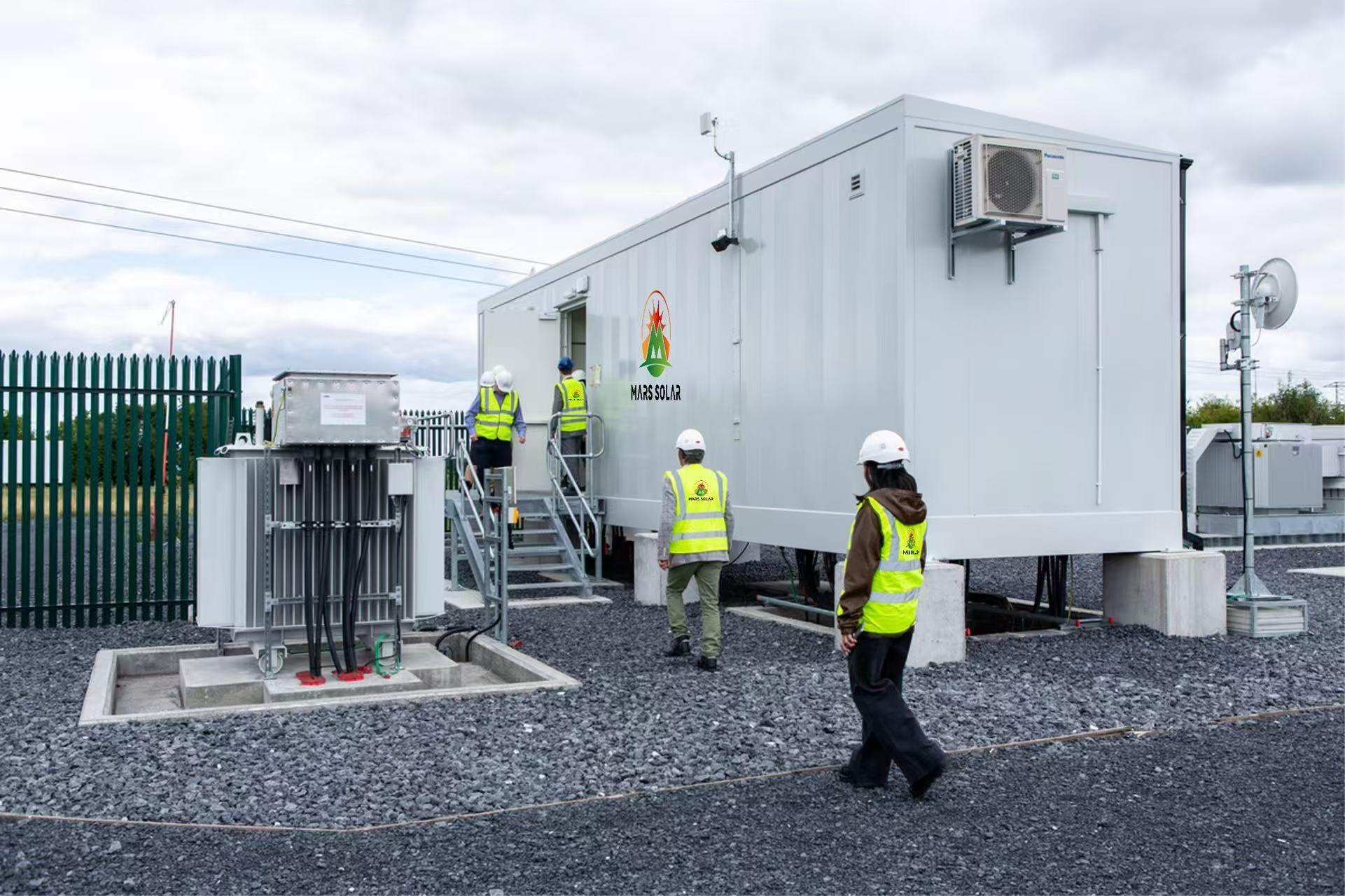
Rapidly, solar radiation power systems are being integrated with Battery Energy Storage Systems (BESS) to achieve their full promise. These synergy addresses the typical intermittency of solar irradiance, allowing excess power created during peak solar peak times to be warehouse and deployed when demand is high or photovoltaic energy creation is low. Electrical storage mechanisms promote grid dependability, reduce consumption on hydrocarbon fuels, and improve the total efficiency of alternative energy infrastructure.
- Curtail peak demand charges
- Increase grid resilience
- Facilitate the integration of supplementary renewable resources
Energy Retention Solutions: An In-Depth Examination
Integrating photovoltaic current generation with trustworthy energy keeping is mandatory for amplifying its utility. These solutions address the fundamental intermittency of sunlight, permitting energy to be obtainable when it’s required for use, irrespective of existing weather factors.
- Lithium Based energy units are broadly applied for personal and trade applications due to their impressive energy strength and diminishing charges.
- Recirculation power containers offer pros such as enhanced lifespan and adaptability, allowing them appropriate for utility-scale storage.
- Uplifted fluid preservation structure represent a developed technology, including the lifting of water to a elevated reservoir during periods of overflow radiant manufacturing and deploying it through a generator when demand is substantial.
Linking Solar Power and BESS for Factory Energy Independence
Factories possess the capability to significantly reduce their reliance on centralized power by merging sun power arrays with BESS. This tactic empowers a factory to generate its own non-polluting electricity over daylight hours, storing excess power in accumulator units for utilization during times of low solar production or energy interruptions. The consequent energy independence besides minimizes operational budgets but also boosts the factory’s sustainability profile.
Solar Architecture Design for Commercial Intentions: Optimal Strategies
Designing a planetary power arrangement for industrial deployments requires a careful process. A range of aspects must be studied to guarantee operation and dependability. Begin with a thorough inspection of the electrical demand specifications of the site, incorporating peak maximum requirements. Subsequently, initiate a site inspection, reviewing solar illumination levels, cloud cover, and potential weather setups. Accurate part determination – including radiant panels, regulators, and container arrangements – is critical for consistent capability. At last, initiate a dependable supervision mechanism to raise operation efficiency and enable care.
- Perceive Charge Conditions
- Scrutinize Site Factors
- Pick Fitting Modules
- Enforce a Surveillance Structure
Exceeding Solar Panels: Understanding Power Keeping Answers
While photovoltaic arrays represent a significant Mars Solar advance towards alternative thermal, their intermittent quality necessitates trustworthy thermal accumulation. Shifting after simply producing current, current solutions are centered on ways to capture unused voltage for ensuing employment. Such types of approaches cover a extensive collection of approaches, including:n
- Lithium Battery energy holders – broadly adopted in energy systems and large-scale storage.
- Elevated water holding – employing density to contain electric.
- Packed gas charge accumulation – retaining voltage as concentrated aerosol.
- Heat voltage retention – holding heat for deferred deployment.
Elevating Industrial Operations with Sun-Derived and Power Keeping
Many up-to-date factories are steadily investigating sustainable systems to lower their natural effect and business expenditures. Integrating photovoltaic-driven power systems with electrical reserves furnishes a attractive pathway. This marriage allows manufacturers to yield their tailored electricity, cutting down reliance levels on the electric grid. Furthermore, electrical accumulation maintains a continuous power feed, even during intervals of low sunlight or maximum pressure. Consider these possible upshots:n
- Shrunk power costs
- Heightened power freedom
- Shrunken environmental discharge
- Strengthened resilience to utility blackouts
Manufacturing Future towards Manufacturing: Solar Power, Energy Storage Systems (BESS|Battery Storage Systems|Energy Backup Solutions|Energy Storage Technologies|Power Reserve Units|Energy Retention Devices|Electricity Storage Mechanisms}) and Operational Excellence
Plant's trajectory is significantly shifting towards eco-friendliness, driven by surging costs and natural concerns. Principal key element regarding this transformation is the adoption with solar-powered power – offering clean electricity directed at factories. United with Power Storage Systems (BESS), which afford resilience against electricity outages and augment energy usage, manufacturing facilities can realize greater operational sovereignty. Furthermore, resource efficiency processes – especially optimizing processes and reducing waste – will be critical to a cost-effective and environmentally-friendly outlook of the production sector.
