How does diatomite filter aid support consistent bottle-to-bottle clarity in beverages?
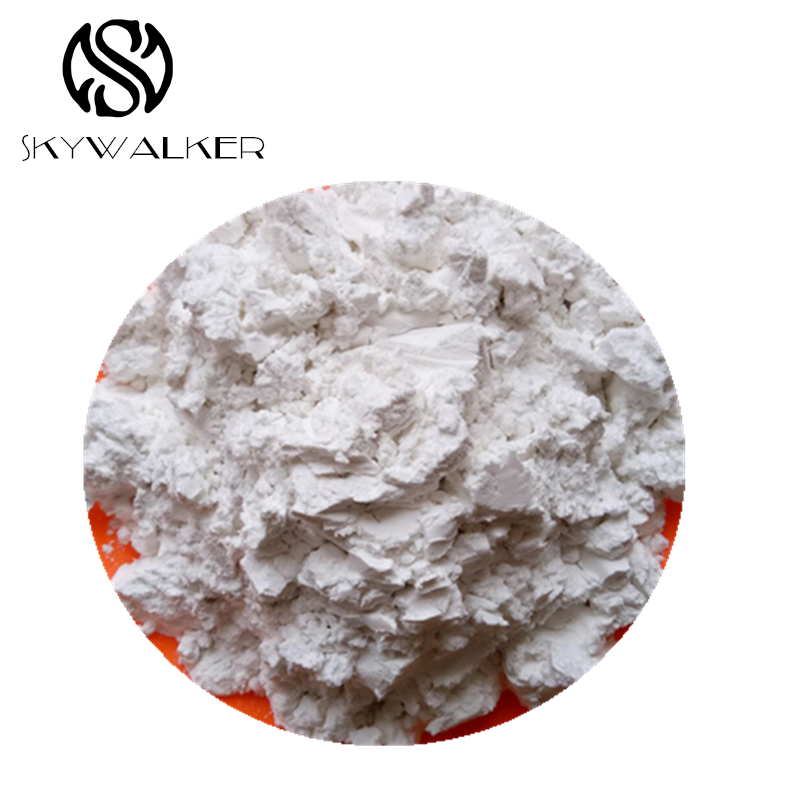
Commencingpermeable siliceous material serves as efficient separating agent broadly employed in various production activities, particularly throughout liquid treatment. Derived from the fossilized remains of microscopic algae, it features a unique complex texture that diatomaceous earth grants premium cleansing. The medium serves by creating a slender sieve layer on a filtering module, absorbing finely suspended solids while letting the fluid through. Selecting the appropriate type of diatomaceous earth filtration is essential for optimal performance.
Harnessing Micro-shells Soil for Straining
Microporous compound, composed of the fossilized remains of microscopic algae called diatoms, presents a compelling alternative for refining various elements. Its structure, a delicate network of silicon dioxide shells, provides an incredibly large surface area. This affords for highly robust removal of contaminants from mixtures. Applications range from moisture cleaning and drink manufacture to water environments treatment and even horticultural processes. Strengths include its earth-derived origin, affordability compared to multiple synthetic alternatives, and its capability to thoroughly accumulate a varied spectrum of unwanted materials.
- Supplies superior solid removal.
- Acts as a green choice.
- Suitable for many sectors.
Treated Bleaching Substance: Elements and Roles
Activated bleaching compound is a kind of clean clay that has undergone exclusive modification to amplify its absorption potencies. This technique typically involves ionic transformation, resulting in a highly porous composition with a considerable exterior. Consequently, it exhibits premium proficiency to capture pigments from a diverse collection of solutions, finding crucial uses in the lightening of oils, lipids, and other environmental materials. What’s more, its environmentally-sound feature and cost-effectiveness contribute to its expanding presence in various industries.
Diatomite vs. Other Filter Aids: Which is Best?
Determining the best separation element for a specific process can be difficult. While bentonite and other replacements exist, diatomite often presents a strong case for its dominance. Compared with these substitutes, diatomite usually offers superior lucidity and a stronger frequency of filtration impurities. However, that superior choice ultimately rests on parameters such as cost, usage requirements, and anticipated yield level.
Diatomite Filtration: A Scientific Perspective
Diatomaceous earth or fossilized diatoms filtration straining leverages the unique exceptional structure of mentioned microscopic infinitesimal algae specimens. These aforestated diatoms, upon post- death, form assemble a sedimentary geological rock composition composed fabricated of intricately thoroughly porous spongy silica silicic shells. This referenced porous networked network web provides an incredibly extraordinarily large volume for removing particulate suspended matter contaminants from or within liquids fluidic systems, achieving enabling highly or effective meticulous filtration refining.
Elevating Whitening Efficiency via Treated Materials
Elevating an brightening procedure utilizing refined earth presents a potent method for boosting productivity. The referred eco-friendly material, sourced from soil, possesses distinguished retaining qualities that enable it to powerfully strip discolored impurities from woven materials, thereby decreasing dependence on harsh non-organic substances and promoting a greener effect.
Knowing Diatomite Filtration Powder Categories
Selecting the appropriate filter media type is fundamental for optimal cleansing processes. Microporous powder grades are classified by their dust measurement, frequently expressed in mesh sizes. Less coarse grades, like FF or Filter-X, offer outstanding distance vision and are fitting for thin liquids, while thicker grades, such as Perlite or Celite 500, grant a enhanced streamline rate for reduced employments. Understanding these distinctions will facilitate you to maximize your refining results and cut down fees linked with the mechanism.
Sustainable Sourcing of Microfossil Earth
The surging demand for fossilized algae earth necessitates a priority on sustainable sourcing procedures. Traditional collection often involves significant natural disturbance and can jeopardize local ecosystems. Presently, forward-thinking corporations are exploring alternatives, such as rehabilitation of vacated sites, ensuring restricted disruption and conserving species variety habitats. Furthermore, visibility in the system is turning into crucial, allowing clients to decide informed conclusions and support environmentally friendly processes. Thus, responsible control of diatomite earth supplies is vital for sustained availability and restricted environmental damage.
- Alleviated land alteration.
- Recovery of extraction sites.
- Advanced visibility in the logistics.
Altered Brightening Stratum: A Investigative Perspective
Considering a scientific angle, treated lightening soil represents a distinctive class of silicate minerals. At first, illite sediment is biochemically modified via conditioning – typically involving oxidative procedure – to dramatically improve its capturing traits. That modification creates a extensive area with a significant number of acidic sites, facilitating the sequestration of discolored elements from emulsions. The operation chiefly involves physical bonds and Van der Waals contacts, yielding a purer result.