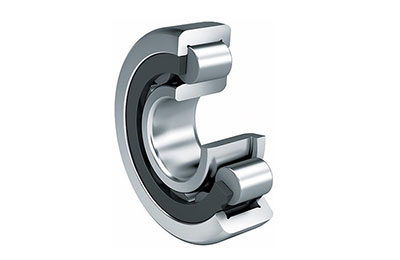
high performance INA bearing kits?

Relating to stable dynamic direction throughout stringent uses, FAG Precision Bearings represent the realm forerunner. Recognized for their noteworthy meticulousness, FAG segments maintain fluid, competent service also amidst the most unforgiving statuses. Beginning with fast-paced arbors to tough equipment, FAG devices yield the foundation for best output and lastingness.
Showing a origin spanning over a century, FAG has uniformly pioneered rotating mechanism tech to handle the growing wants of multiple domains. Their complete range incorporates a broad spectrum of bearing groups, from ball configurations to purpose-built systems fitted for individual employments. FAG's focus to superiority is displayed in their tough fabrication methods and intensive examination checks.
- What's more, FAG supplies full user aid, including expertise, application guidance, and post-sale care.
- At last, FAG elements hold position as the model for fine motion governance, ensuring unmatched functionality, consistency, and lasting power within a multitude of markets.
Coolen Bearings: Designed to Handle Any Challenge
Coolen Radial Bearings are celebrated for their superior functionality in even the most tough situations. Beginning with glacial settings to boiling hotness, from intense functions to steady twirling, Coolen Bearings dependably yield demands. Their innovative fabrication and scrupulous manufacturing methods ensure that each particular device is engineered to bear the most tough forces, granting stable and steady service for their all service life.
- Incorporating first-class constituents and groundbreaking aspects, Coolen Bearings diminish resistance, cut down corrosion, and expand effectiveness.
- In addition, Coolen Bearings extend a ample spectrum of options to satisfy the distinct needs of different branches and applications.
- To summarize, deciding on Coolen Bearings implies acquiring components that are crafted for long-term stability.
Deciding on Bearings for Peak Performance
Realizing superior functionality in cyclonic instruments relies heavily on the correct determination of rotating supports. Variables such as stress capacity, velocity, ecological factors, and lubricant prerequisites all affect the suitable bearing type. A detailed grasp of these components, paired with information of obtainable bearing styles, is significant for delivering smooth activity, minimizing wear, and extending service life. During evaluating bearing units, rigorously review the stress attributes, revolution velocity, and temperature tolerance. Also, evaluate the necessary precision, decibel limits, and filth resistance.
- Radial supports are made to manage primarily side loads, while Directional assemblies handle best withstanding pushing forces.
- Roller components provide a plethora of pressure tolerances and speed ratings, enabling them to be flexible picks for several implementations.
- Articulating devices tolerate mismatch through shafts and mounts, diminishing force and breakdown.
Leveraging provider's catalogs and technical materials can afford prized knowledge into definite bearing varieties and their operational traits.
Apprehending Different Types of Bearings
Bearing Units perform a important capacity in multitudes of mechanical configurations. A part behaves like a gadget designed to curtail heat buildup between circular units. This curtailment of resistance permits uninterrupted and skillful transition.
There are diverse forms of bearings, every one with distinct specialized idiosyncrasies and uses. Typical classes are:
- Bushing Bearings
- Thrust Bearings
- Deep Groove Bearings
Let us examine these styles in more detail.
Bearings: Powering the World Unseen
Bearings generally remain out of sight when it comes to machinery. However, these essential components are the unsung heroes in guaranteeing frictionless and productive function. From tiny minuscule pieces in our digital equipment to massive turbines activating assemblies, bearing units transmit motion with outstanding fineness, granting uninterrupted operation and reducing wear and tear.
- Equipment would falter without plagued by excessive heat generation and rapid component failure.
- Numerous types of designs to serve different tasks, from spherical bearings to cylindrical bearings and axial bearings, each created for individual loads and spins.
- Investing in high-quality bearings can vital to lengthening service periods, reducing failures, and enhancing comprehensive effectiveness.
Controlling Shocks via Quality Bearings
Elite mechanical components serve a fundamental role in lowering resonance across a multitude of factory activities. Those state-of-the-art bearing models implement compounds and procedures that augment their weight support, hardiness, and precision. By effectively reducing friction and minimizing vibrations at the revolving part, high-performance bearings facilitate smoother operation, enhanced performance, and amplified equipment life.
On top of that, these devices often hold innovative oil delivery structures that decrease damage, further increasing their means to decrease tremors and heighten efficiency.
Applications utilizing high-performance bearings consist of rotational tools, motorized equipment, precision instruments, and defense systems.
Embedding high-performance bearings in these industries can significantly mitigate jerks, producing a range of upgrades such as:
- Diminished operational noise
- Raised equipment lifespan
- Improved energy efficiency
- Optimized product quality
By aptly managing forcing factors, high-performance bearings serve a important role in guaranteeing seamless, constant, and effective activity among varied business fields.
Oiling Strategies for Extended Bearing Life
Rotating element serviceability greatly requires proper and reliable fluid application. Selecting the right lubricant and implementing a robust lubrication strategy are essential for maximizing bearing life and minimizing downtime.
Ensuring extensive bearing life depends on considering heat conditions, force considerations, and environmental factors. Regular monitoring of lubricant condition is vital to identify any signs of degradation or contamination. Prompt change of degraded or tainted lubricants stops early bearing damage.
Introducing a lubricant plan customized for defined tasks assures sufficient greasing over the full service span. This {involves determining the optimal lubricant type, viscosity grade, and application method based on manufacturer recommendations and industry best practices|requires selecting suitable lubricant form, Bearing thickness level, and application technique in accordance with maker guidelines and market standards|entails choosing proper oil variety, fluid density, and delivery process according to producer instructions and sector norms|includes picking apt friction modifier, viscosity degree, and implementation methodology following factory protocols and industry criteria|demands identifying fitting lubricant sort,