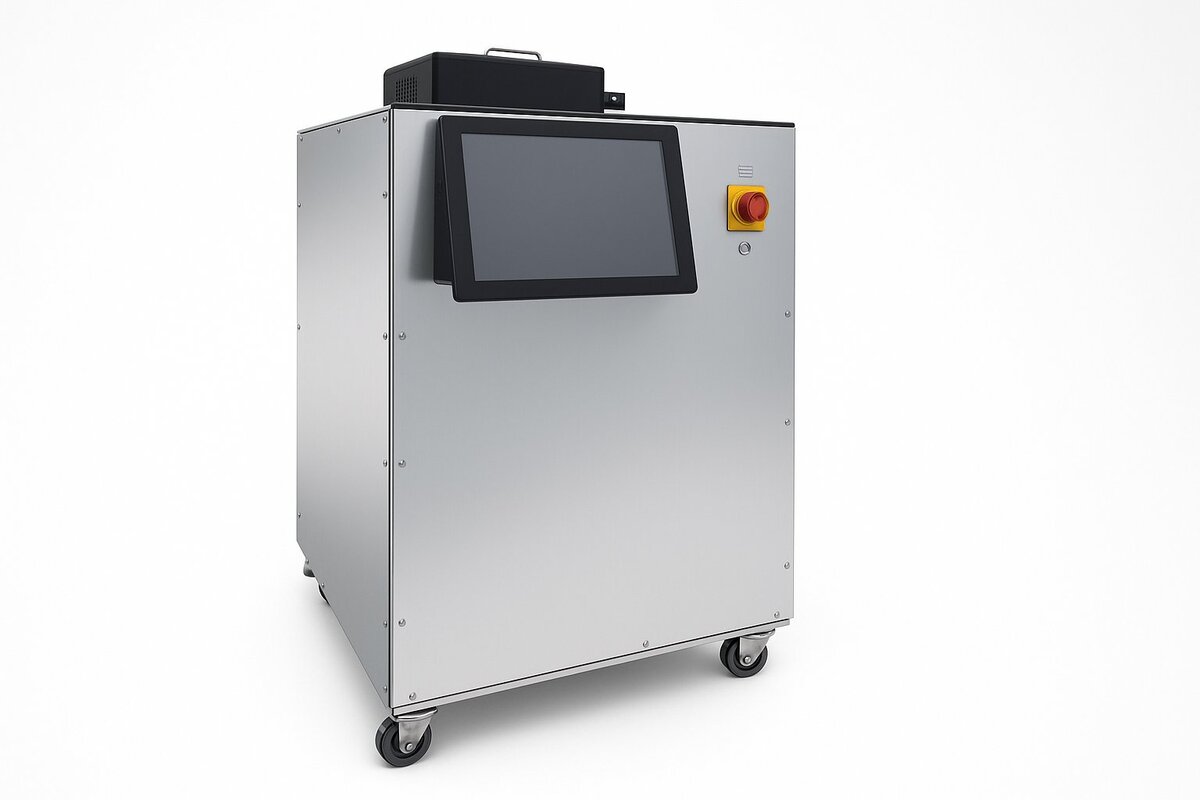
expansion oriented fab partnership oriented reactive ion etcher solutions?
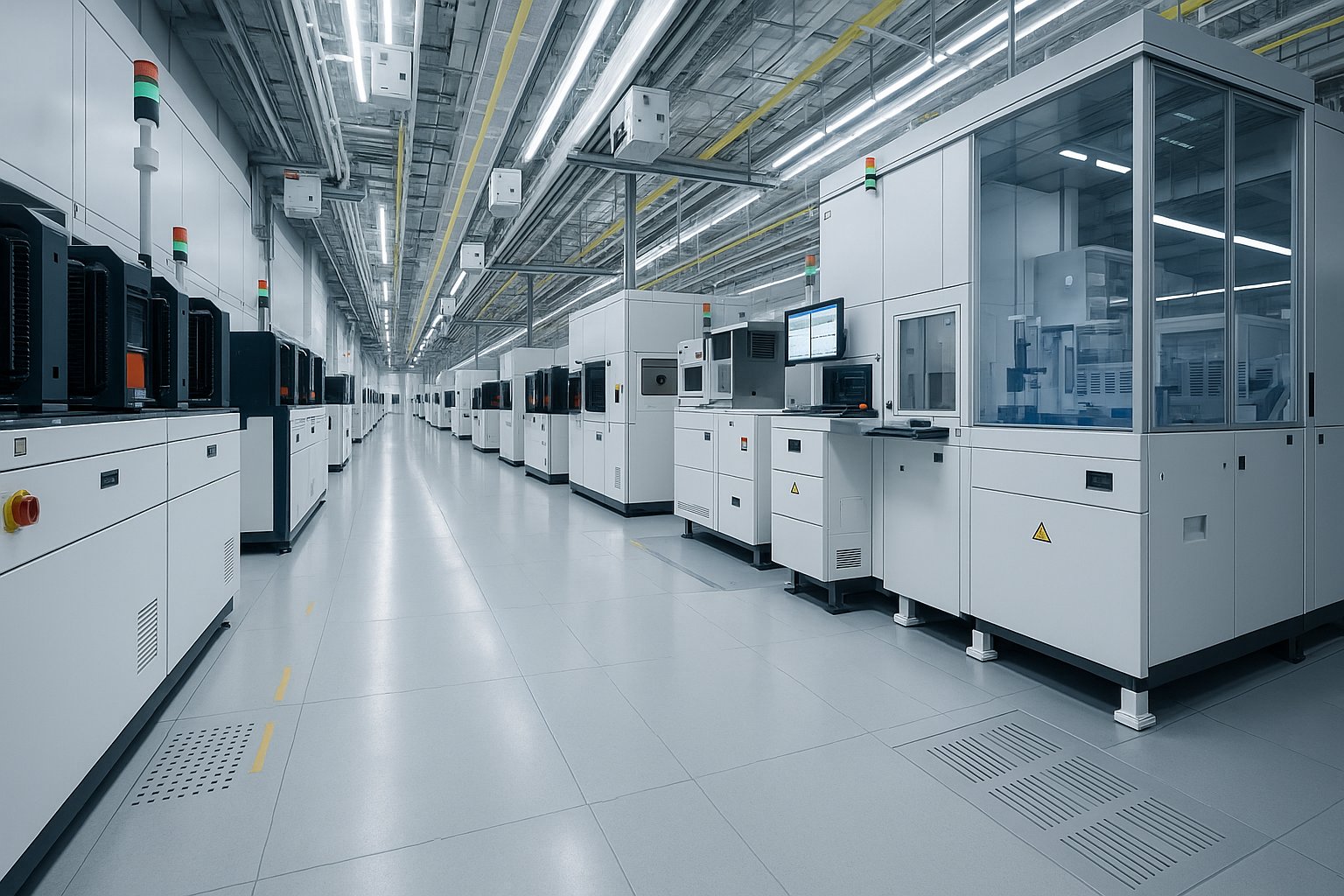
Fundamentals concerning ion-assisted etching in semiconductor manufacturing. This approach exploits electrified gas to selectively eliminate material substances for exact layout creation during microfabrication. By modifying essential attributes like gas formulations, plasma power, and atmospheric pressure, the material ablation velocity, material differentiation, and etch straightness can be explicitly controlled. Ion-assisted etching has redefined semiconductor fabrication, gauges, and latest computing tools.
- What's more, plasma etching is comprehensively studied for fields such as optics, biomedical applications, and solid material research.
- Numerous classes of plasma etching can be found, including reactive ion etching (RIE) and inductively coupled plasma etching (ICP), each with singular positive aspects and weaknesses.
The detailed characteristics of plasma etching involve a in-depth grasp of the basic physics and chemical dynamics. This exposition seeks to offer a complete recap of plasma etching, addressing its fundamental ideas, separate classifications, deployments, benefits, issues, and expected advancements.
Riechert Etchers: Precision in Microfabrication
Focusing on small-scale production, Riechert etchers excel as a key player. These innovative devices are recognized for their impressive fine control, enabling the construction of sophisticated designs at the nanometer proportion. By employing cutting-edge etching methods, Riechert etchers deliver flawless management of the manufacturing sequence, constructing first-rate outcomes.
Riechert etchers find application in a comprehensive array of realms, such as semiconductors. From assembling microchips to designing advanced medical gadgets, these etchers form a cornerstone in molding the outlook of modern devices . With pursuit to innovation, Riechert dictates measures for exact microfabrication.
Fundamental RIE Methods and Functions
Ion-assisted reactive etching acts as a important technique in microelectronic creation. RIE employs a integration of ionized components and reactive gases to ablate materials with targeted removal. This mechanism consists of bombarding the surface area with dynamic ion beams, which collide with the material to construct volatile etch byproducts that are then cleared by a pressure installation.
RIE’s competence in anisotropic profiles makes it uniquely advantageous for producing elaborate formations in semiconductor components. Implementations of RIE encompass the manufacturing of transistors, chip designs, and optic parts. The technique can also generate submicron holes and through-silicon vias for high-density memories.
- Reactive ion etching supplies fine oversight over removal velocities and component selectivity, enabling the formation of precise geometries at narrow tolerances.
- A broad range of ionic gases can be used in RIE depending on the substrate and etching features sought.
- The directional quality of RIE etching allows for the creation of steep edges, which is crucial for certain device architectures.
Achieving Fine Control in ICP Etching
Inductively coupled plasma (ICP) etching has arisen as a principal technique for generating microelectronic devices, due to its high-level capacity to achieve solid directional accuracy and targeted etching. The exact regulation of etching parameters, including energy delivery, gas ratios, and pressure conditions, supports the careful modification of process speeds and profile shapes. This responsiveness supports the creation of elaborate shapes with low harm to nearby substances. By calibrating these factors, ICP etching can effectively control undercutting, a pervasive complication in anisotropic etching methods.
Study of Plasma Etching Procedures
Reactive plasma etching techniques are globally recognized in the semiconductor realm for formulating sophisticated patterns on workpieces. This exploration investigates various plasma etching approaches, including atomic layer deposition (ALD), to judge their usefulness for diverse materials and goals. The review underscores critical parameters like etch rate, selectivity, and material texture to provide a comprehensive understanding of the assets and limitations of each method.
Regulating Plasma Controls for Superior Etching
Securing optimal etching efficiencies in plasma applications depends on careful variable adjustment. Elements such as energy level, gas formulation, and environmental pressure notably modify the process tempo. By intentionally altering these settings, it becomes viable to increase performance outcomes.
Decoding Reactive Ion Etching Chemistry
Reactive ion beam etching is a key process in nanoengineering, which covers the use of energetic ion species to specially sculpt materials. The essential principle behind RIE is the interaction between these energized particles and the component face. This association triggers molecular processes that parse and ablate atoms from the material, forming a specified configuration. Typically, the process applies a integration of chemical agents, such as chlorine or fluorine, which become ionized within the etching chamber. These activated ions hit the material surface, causing the ablation reactions.Performance of RIE is determined by various considerations, including the category of material being etched, the utilization of gas chemistries, and the processing factors of the etching apparatus. Fine control over these elements is imperative for ensuring first-class etch outlines and controlling damage to proximate structures.
Precise Pattern Control in ICP Etching
Reaching correct and consistent patterns is crucial for the success of plenty of microfabrication routines. In inductively coupled plasma (ICP) technique systems, operation of the etch form is important in defining ranges and patterns of fragments being produced. Critical parameters that can be altered to control the etch profile feature flowing gases, plasma power, material heat, and the electrode configuration. By methodically varying these, etchers can generate profiles that range from balanced to vertical etching, dictated by explicit application needs.
For instance, predominantly anisotropic etching is typically desired to create deep cuts or through-holes with well-shaped sidewalls. This is completed by utilizing strong chlorine gas concentrations within plasma and sustaining moderate substrate temperatures. Conversely, rounded etching creates rounded-edge profiles owing to the technique's three-dimensional character. This variation can be helpful for broad surface etching or surface refinement.
Furthermore, leading-edge etch profile techniques such as plasma pulsing enable the generation of finely tuned and deep, tall features. These means usually involve alternating between plasma bursts, using a mixture of gases and plasma conditions to secure the desired profile.
Identifying primary contributors that influence etch profile formation in ICP etchers is important for boosting microfabrication methods and accomplishing the specified device capability.
Precision Etching Methods in Chip Fabrication
Charged gas etching is a fundamental practice applied in semiconductor construction to sensitively reduce compounds from a wafer interface. This operation implements energized plasma, a concoction of ionized gas particles, to strip focused regions of the wafer based on their compositional qualities. Plasma etching enables several merits over other etching processes, including high vertical selectivity, which contributes to creating profound trenches and vias with reduced sidewall injuries. This fine control is fundamental for fabricating state-of-the-art semiconductor devices with multi-layered patterns.
Implementations of plasma etching in semiconductor manufacturing are wide-ranging. It is implemented to generate transistors, capacitors, resistors, and other major components that compose the cornerstone of integrated circuits. In addition, plasma etching plays a crucial role in lithography operations, where it promotes the spot-on formatting of semiconductor material to outline circuit layouts. The superior level of control offered by plasma etching makes it an critical tool for state-of-the-art semiconductor fabrication.
Advanced Directions in Etching Technology
Cutting-edge plasma etching consistently advances, icp etcher driven by the amplified search for refined {accuracy|precision|performance