customer oriented TR Solids Control patented technologies?
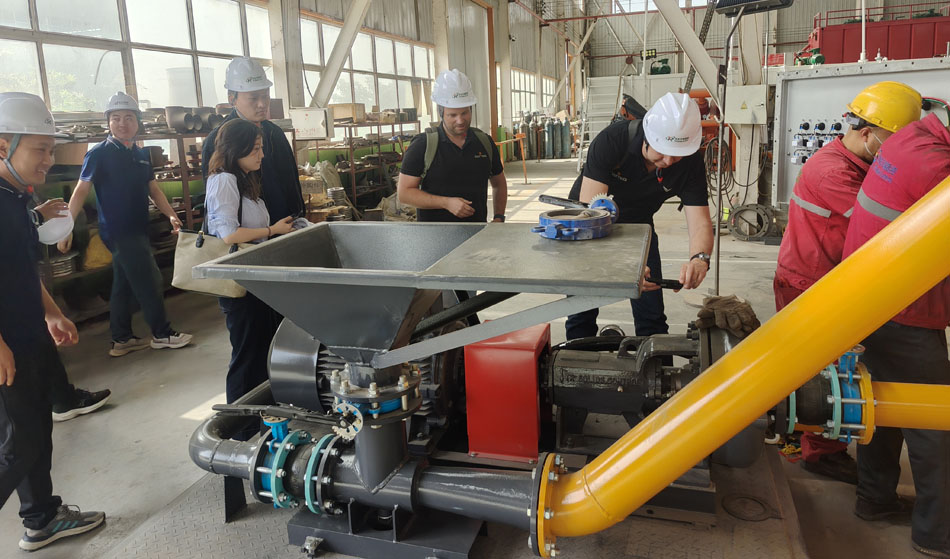
Inside the challenging fields of fossil fuel TR Solids Control harvesting efficient treatment of drilling leftovers is key.
Oscillatory shale separators have a fundamental duty in eliminating debris and particulates from drilling slurries, thereby securing superior well shaft soundness and efficiency. With respect to increasing their functionality, maximizing shaker device output requires amalgamating multiple factors. This involves opting for the correct shaker type and screen pore dimensions according to drilling specifics, steady repairs to inhibit degradation, and implementing premium procedures for slurry control. By thoroughly addressing these points, operators acquire essential enhancements related to drilling capability, residual control, and systemic functional preservation.
Prioritizing Shaker Screen Choice for Efficient Fluid Separation
Sound selection of shaker meshes affects optimal drilling solution separation. Such screens perform a fundamental role in eliminating sediment and debris from drilling fluids. Mesh aperture sizing requires meticulous scrutiny concerning fluid properties and granular types present. Choosing inappropriate shaker screens may cause reduced separation ability, risking drilling operation quality.
Accurate removal of granules from drilling mixtures is vital for well penetration steadfastness. Raising drilling effectiveness, increasing operational durability, and reducing formation impacts. A strategically assembled shaker mesh array can notably enhance total operational capacity.
Progressive Technologies in Drilling Residue Treatment for Green Operations
Natural gas extraction efforts produce plentiful drilling debris, causing considerable ecological impacts. For reducing adverse impacts, specialists constantly explore novel remediation systems. Such interventions endeavor to lessen waste proportions and toxins while reclaiming essential materials. Leading-edge progress embraces microbial degradation, mechanical refinement, and chemical treatment. Through these comprehensive tools, the industry drives green initiatives, cutting ecological harm and endorsing natural preservation.
Optimizing Function of Muck Reclamation Units: Lowering Ecological Impact
Refining mud recycling methods is pivotal in lessening adverse ecological outcomes from construction and industrial activities. Via proficiently recycling slurry, waste elimination needs drop notably, preserving resources and curtailing pollution. A superior slurry reclamation system should incorporate components guaranteeing peak performance. These consist of innovative sorting technologies, meticulous sanitation routines, and responsible handling methods for detritus. Likewise, consistent evaluations and skill building remain pivotal to guarantee system operation and mitigate ecological damage.
Harmonized Strategies for Merging Shaker and Mud Recovery Technologies
Petroleum production enterprises consistently target improved strategies for drilling effectiveness. Drilling fluid reclamation remains a vital aspect fostering these ambitions. Modern fusion techniques surface to confront muck recovery obstacles, granting abundant values. Harmonized configurations join numerous apparatuses to increase yield, reduce eco strain, and foster comprehensive operational accomplishment. Finally, they upgrade drilling achievements regarding productivity and eco considerations.
Advancements in Drilling Fluid Filtering and Detritus Segregation
The fuel extraction domain constantly aims to diminish environmental impacts of activities. A principal concern lies in managing drilling residue via effective filtration and substance division from drilling fluids. Modern breakthroughs in refining and distinguishing apparatuses offer favorable approaches to curtail junk scales and improve recycling or trash handling.
- Cutting-edge fibrous filters and charcoal composites exemplify forefront media scooping extensive contaminant categories in drilling mixtures
- Gravity, centrifuge, and sedimentation-based techniques gain higher precision in isolating fluids from solid drilling remnants
- Robotic, AI-enabled, and automated platforms incorporate into cleansing and fractionating processes boosting reliability and observation
Besides, inquiries advance towards inventive waste treatment solutions, featuring reclamation by modification.
Recognizing the Part of Shale Screens in Drilling Suspension Management
Fluid solids removal shakers fulfill critical duties within resource recovery to filter drilling remnants. Cuttings embody stone chips, crystalline shards, and assorted debris collected during drilling steps. Proper elimination of fragments is essential for sustaining fluid thickness and weight crucial for bit temperature control, lubrication, and well integrity. The equipment relies on vibrational energy to partition heavy detritus from lighter fluid components. Separated debris accumulates in containers and cleaned drilling fluids recycle back to drilling operations. Optimized reusage of drilling fluids contributes to superior drilling efficiency, financial benefits, and reduced ecological disturbance.
Advancing Shaker Design to Reduce Drilling Scrap
Upgrading shaker screen structure acts as a vital element in minimizing drilling discards. Effective choice of shaker meshes substantially enhances particulate classification, reducing waste elimination burdens. Thorough analysis of perforation sizes, sieve arrangement, and fluid pace is imperative for superior functionality. Such initiatives combined sustain ecological guardianship by lessening extents of manufactured scrap.
Envisioning Future Developments in Drilling Debris Processing: AI and Automation
Petroleum production fields incessantly transform in response to rising consumer needs and legal mandates. An important subject receiving intense focus is drilling residue management, featuring automated and intelligent solutions. Leveraging these cutting-edge techniques, companies markedly lessen ecological influence and improve functionality.
Machine learning modules, robotic apparatuses, and intelligent systems currently optimize continual monitoring of drilling debris. These provide crucial data generating insights valuable for refining treatment protocols and waste management strategies. Obtained knowledge facilitates enhancing prevailing processes and inventing advanced methods.
Plus, smart applications featuring machine reasoning, estimating, and data scrutiny encourage early problem recognition. This preemptive attitude enables swift actions, lessens eco harm, and deters workflow interruptions.
Verified Cases Detailing Outcomes of Shale Separator and Mud Recovery Frameworks
The resource extraction business constantly cultivates modern tactics to heighten drilling efficiency and diminish environmental impact. Analyses demonstrate remarkable gains associated with shale shaker and slurry recycling mechanism use. The technology powerfully backs drilling gains by segregating solids in fluids and effective liquids reuse, producing paramount cost reductions and junk minimization.
Modern proven analyses demonstrate use of shale shakers in sizable drilling efforts. Constructive outcomes entail considerable declines in mud waste handling expenses and reduced eco footprints. Moreover, recirculated mud exhibits enhanced qualities contributing to better borehole firmness and lower incidents of well blowouts.
- Numerous accounts emphasize shaker devices’ efficiency in clearing residues from drilling slurries, enhancing equipment lifespan and decreasing maintenance requirements
- Drilling fluid reuse systems shown capability in diminishing freshwater dependency and abating contaminated discharge in nature
Joining shaker equipment with mud recycling mechanisms echoes a major advancement in drilling workflows, conferring essential economic and environmental merits. Perpetual enhancements along with resourceful case studies empower these platforms for increasing authority in forming natural gas and oil fields.
Enhancing Shale Shaker Functionality: Economical Strategies for Optimization
Enhancing shaker unit productivity with minimized running costs remains a vital component in effective hydrocarbon harvesting. Adopting affordable solutions can noticeably advance shaker capability and trim cumulative expenses. Valuable tactics contain frequent mesh inspections for erosion, keeping correct shaking strengths, and regulating flow quantity conforming to operation specifications. Proactively addressing potential concerns and implementing these cost-saving remedies frees greater efficiency and long-term reliability from shale shaker setups.