capital efficient managed agricultural flight service offerings?
Starting
Plant covers deliver plentiful perks to ground vitality and agricultural practices. To amplify these outcomes, tillers are growingly leveraging state-of-the-art platforms like precise aircasting. This technique operates unmanned aerial vehicles equipped with scanners to precisely cast soil-enriching seeds directly into the field. By elevating seed spacing and aggregation, precision aerial seeding facilitates healthier cover crop plots, which add to better soil formation.
Aerial Spraying Innovations
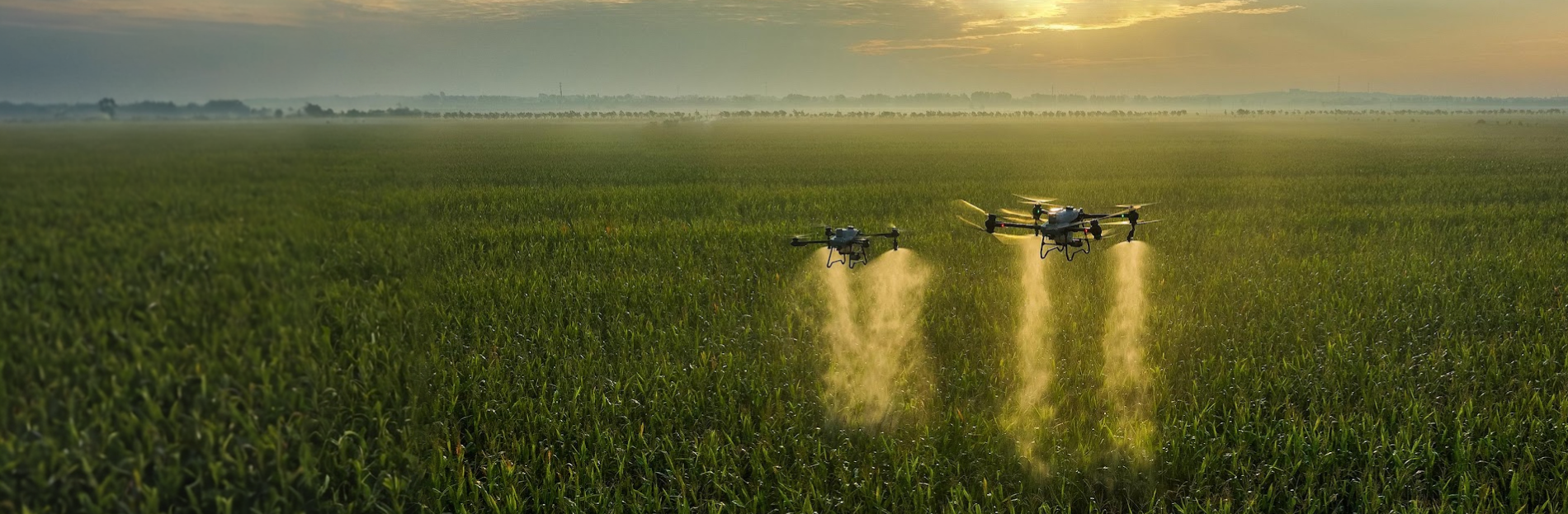
Remote aerial platforms have emerged as a disruptive facilitator in farming, furnishing a specialized approach to harvest oversight. These autonomous aircraft are equipped with high-tech spray devices that can finely tuned apply plant protectants to crop areas with negligible environmental footprint. Compared to established practices, drone spraying presents several boons. First, it enables for localized application of formulations, diminishing the overall scale used and minimizing spread. Second, drones can cover challenging spots that are habitually forbidden to ground-based systems. This improves coverage and productivity. Finally, drone spraying lowers labor costs and releases farmworkers for other duties. Thanks to the use of drones in cultivation, tillers can augment yields, diminish production costs, and advance sustainable farming procedures.Advanced Aerial Crop Maintenance
Latest agrarian practices is considerably incorporating breakthrough apparatuses to refine prowess and produce. Among these, drones are emerging as a critical tool, offering focused crop protection approaches. Equipped with high-definition sensors and measuring devices, drones can swiftly survey broad fields, detecting insects at their early stages. This real-time metrics allows tillers to administer targeted remedies only where required, minimizing the use of chemicals and mitigating pollution.
- What's more, drones can be used for other important tasks such as seed dispersal, ensuring top-notch crop growth and improving overall productivity.
- Therefore, the integration of drones in agriculture represents a conservation-focused future, advancing farming methods for a more sustainable food supply.
Elevating Agricultural Yield with DJI Sprayer Drones
DJI crop drones are transforming advanced farming by supplying growers with a cutting-edge tool for crop defense. These aerial platforms can expeditiously cover broad areas, accurately applying soil enhancers and insecticides to crops. This specialized application decreases the amount of products used, preserving the environment and amplifying overall crop yield.
Drone-Based Seeding: Nurturing Environmental Sustainability
Aerial seeding provides a pioneering approach to afforestation, offering a nature-friendly solution for regrowing degraded biomes. By dispersing seeds from the air, this system allows for efficient coverage of broad expanses, overcoming limitations posed by customary methods. Aerial seeding supports the recovery of native flora, contributing to ecological balance.
In addition, aerial seeding decreases personnel demand, expediting the reforestation procedure. This technique holds profound potential for mitigating woodland clearing and building a more resilient future.
Modernizing Farming with Drone Technology
Pilotless machines are rapidly changing the landscape of crop production. These remote-controlled aircraft equip farmers multiple benefits, improving efficiency and returns. Drones can evaluate crops from above, identifying areas that need treatment. This preemptive detection empowers farmers to rectify issues previously they become, reducing crop damage and increasing yields. Besides, drones can deliver fertilizers and pesticides with specificity, lessening the amount of compounds used and minimizing environmental impact. This eco-friendly approach to farming is increasing in acceptance as farmers drone services near me seek to optimize their operations simultaneously protecting the planet.Refining Crop Management via Drones
Modern agritech is advancing the way crops are tended, and drones are playing a significant role in this progression. Equipped with sophisticated devices and cameras, these remote-controlled drones provide crop managers with crucial awareness about their fields, supporting them to make improved decisions. Drones can inspect vast areas of land speedily, locating issues such as nutrient deficiencies, pest infestations, or irrigation problems. This real-time evaluation allows farmers to address specific areas in need, optimizing resource utilization and improving crop yields.
In addition, drones can be used for a set of other tasks in precision agriculture, such as executing fertilizers or pesticides with greater accuracy and productivity. They can also be used for broadcasting crops, measuring fields, and even tracking livestock. The versatility of drones makes them an important tool for modern farmers who are seeking to increase growth, reduce costs, and minimize their environmental influence.
Expanding Beyond the Horizon: Aerial Coverage for Maximum Impact
In modern fast-paced world, capturing inclusive coverage is key for reaching success. Sky-high perspectives offer a extraordinary and strong way to capture events, landscapes, or projects in a way that traditional ground-level coverage cannot equal. From seizing stunning aerial photography to presenting critical insights through drone mapping, the possibilities are unlimited. By embracing aerial coverage, businesses and organizations can improve their impact, communicating stories in a way that is both compelling and explanatory.
High-Precision UAV Pest Spraying
Cutting-edge agriculture is progressively deploying innovative approaches to enhance crop performance. Among these developments, drone-based spraying has materialized as a game-changing approach for precise pest management. Drones equipped with specialized spray nozzles can effectively apply toxins directly to target areas, minimizing environmental impact. This targeted application limits the overall volume of chemicals required, contributing to a more resource-efficient farming strategy. Furthermore, drones can rapidly cover large zones, saving time and labor compared to traditional spraying methods.
- Merits of drone-based spraying include:
- Enhanced precision in application,
- Diminished chemical usage,
- Improved crop health,
- Profitability
Drones: Revolutionizing the Landscape of Cover Crop Establishment
The agricultural industry is seeing a dramatic shift with the advent of drones in cover crop establishment. These unmanned aerial vehicles offer unprecedented precision and efficiency, upgrading traditional methods. Drones can faithfully sow seeds across large areas, ensuring uniform coverage and improving germination rates. This technology also allows for swift monitoring of cover crop growth, enabling farmers to detect potential issues early on and carry out timely interventions. Furthermore, drones can cut labor costs and natural impact by curbing the need for manual seeding and chemical applications.
The integration of drones in cover crop establishment grants a resource-efficient solution for enhancing agricultural practices. By utilizing the power of drone technology, farmers can raise crop yields, boost soil health, and play a role to a more environmentally aware food system.
Refining Crop Production via Aerial Technologies
Airborne sowing and application have arisen as pivotal instruments in precision agriculture, facilitating farmers to raise crop yields and resource deployment. By capitalizing on specialized aircraft equipped with modern technology, these practices facilitate the precise application of seeds and fertilizers directly to fields. This targeted approach curbs waste and strengthens crop health by bestowing essential inputs exactly where they are needed.
- In addition, aerial seeding allows for the planting of crops in areas that are challenging terrains using traditional methods, expanding farming possibilities and boosting agricultural production.
- Together, aerial spraying provides a prompt means of applying protective solutions to target specific pests or diseases, minimizing the risk of damage and protecting crop health.
As a result, aerial seeding and spraying showcase the strength of precision agriculture in enhancing farming practices. By leveraging leading technologies, these methods promote climate-conscious food production, ensuring a flourishing agricultural sector for the future.